Created by potrace 1.11, written by Peter Selinger 2001-2013
NO
Search oslomet.no
  • About OsloMet
  • Study at OsloMet
  • Our research
  • Work for us
  • Alumni
  • University Library
  • Contact us
  1. OsloMet
  2. ...Intermediate levels are hidden
  3. NOVA – Norwegian Social Research
  4. Centre for Youth and Life Course Research (TRACE)

Centre for Youth and Life Course Research (TRACE)

Tracing trajectories of inequality through youth and the life course.
About the CentreNOVA – Norwegian Social Research
  • Research

    Our research at TRACE builds on more than two decades of sustained investment in longitudinal data collection, methodological development and scientific collaboration.

  • Data resources

    Here you will find an overview of our data sources.

  • Publications

    Selected publications from Centre for Youth and Life Course Research (TRACE).

Featured research

  • Father shows child something on a computer
    • Working life, society and welfare
    • Childhood, school and education

    Parents teach their children differently about money. Their lessons reproduce class divisions

    New research shows that Norwegian middle- and upper-class parents give their children fundamentally different attitudes toward money. This may reinforce social inequality in Norway.

  • Youth competing in cross-country skiing
    • Childhood, school and education

    Have studied young skiers: “We got the sense that something has changed”

    When sociologists researched young people’s participation in cross-country skiing, they saw no one waxing their own skis.

  • Four young employees at meeting
    • Working life, society and welfare

    The welfare state has strong support among young people

    Are young adults entitled individuals who won’t contribute to society? Not quite. According to new research, Generation Z are happy to pay their taxes.

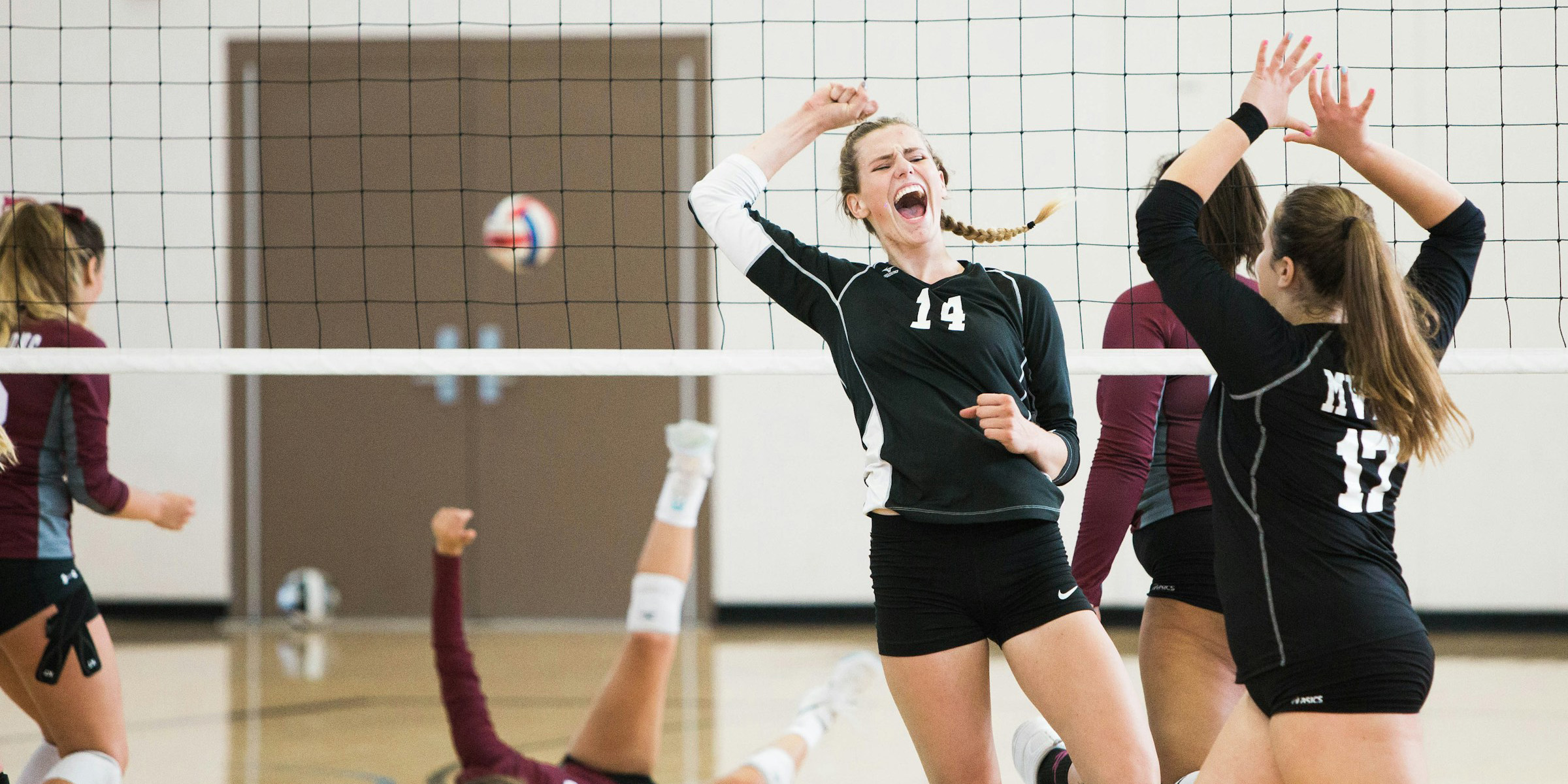
  • Girls playing volleyball
    • Childhood, school and education

    Is it just a myth that sport is inclusive?

    “Our findings suggest that sport does not automatically foster social inclusion among children and young people. Those who participate are typically the ones who already feel secure and are part of a social community,” says Marlene Persson.

  • Bach of the head of young girl at football practice
    • Childhood, school and education

    One in ten young people experience sexual harassment in sports

    Sexual violations among youth in sports are more common than we think – and not just from adults. Peers are often the perpetrators.

  • Norwegian royal palace facade with the royal family on the balcony and graduating high schoolers walking and crawling on the ground in a parade dressed in red or blue "russ" outfits.
    • Childhood, school and education

    The Norwegian graduation celebration that bonds and divides students

    To mark the end of 13 years of education, Norway’s high school graduates participate in a celebration characterized by unique outfits, and bedazzled buses.

  • An adolescent girl busy using her phone.
    • Childhood, school and education

    Norwegian youth have handled the pandemic well

    In spite of the challenges that have accompanied the COVID-19 pandemic, most Norwegian teenagers report high levels of life satisfaction.

  • A man is sitting alone on a swing looking at the sunset.
    • Childhood, school and education

    Researchers have been following 40-somethings since their teens: Who gets left behind?

    Researchers from Norwegian Social Research (NOVA) at OsloMet have been following the same people for more than 28 years. They now seek to investigate why some people have experienced marginalisation as adults.

  • Six teenagers relaxing together, and using their mobile phones.
    • Childhood, school and education

    Researchers seek to better understand the lives of young people in Norway

    Using a variety of methods, OsloMet researchers are gaining new insights into young people's opinions, struggles and aspirations.

OSLO METROPOLITAN UNIVERSITY
STORBYUNIVERSITETET

P.O. Box 4, St. Olavs plass
NO-0130 Oslo
Norway
Tel.: +47 67 23 50 00

Contact us

  • Facebook
  • LinkedIn
  • Instagram
  • Norwegian
  • Accessibility statement
  • Cookies policy
  • Employee directory
  • Employee website
  • Student website
  • Upcoming events
  • Work for us

TRACE is a research centre at NOVA – Norwegian Social Research, OsloMet, dedicated to understanding how young people’s lives unfold from childhood, through youth and into adulthood, and how life chances are shaped by family, community, institutions and society.

The Centre builds on more than two decades of sustained investment in longitudinal data collection, methodological development and scientific collaboration. TRACE brings these efforts together within one integrated research environment, allowing their full scientific potential to be realised.

Our ambitions

  • Integrate qualitative and quantitative longitudinal data across cohorts, generations and countries in a systematic and cumulative way.
  • Coordinate new Nordic qualitative longitudinal cohorts, ensuring genuine comparability and shared analytical investment.
  • Develop advanced methodological expertise in qualitative longitudinal research, register-based life course analysis and mixed-methods integration.
  • Make data and findings widely accessible, so that the scientific investment benefits the broader research community.
  • Train the next generation of life course researchers by embedding doctoral training within the Centre’s research environment, including the recruitment of PhD candidates and the development of a dedicated PhD course in longitudinal youth research and life course theory, with access to TRACE data.