Created by potrace 1.11, written by Peter Selinger 2001-2013
NO
Search oslomet.no
  • About OsloMet
  • Study at OsloMet
  • Our research
  • Work for us
  • Alumni
  • University Library
  • Contact us
  1. OsloMet
  2. CEDIC

Centre for Digitalization, Culture and Society (CEDIC)

CEDIC delivers new multidisciplinary knowledge for a complex, digital society, with a combined focus on public policy and institutional factors, technological, ethical and legal factor, socio-material structures and local practices.

About CEDICResearch projectsCEDIC in mediaCEDIC Talks

Featured research

OSLO METROPOLITAN UNIVERSITY
STORBYUNIVERSITETET

P.O. Box 4, St. Olavs plass
NO-0130 Oslo
Norway
Tel.: +47 67 23 50 00

Contact us

  • Facebook
  • LinkedIn
  • Instagram
  • Norwegian
  • Accessibility statement
  • Cookies policy
  • Employee directory
  • Employee website
  • Student website
  • Upcoming events
  • Work for us

Visit our website

Read more about current project, research and publications on our website. You also find information about our team and on upcoming editions of CEDIC Talks.

Visit our website
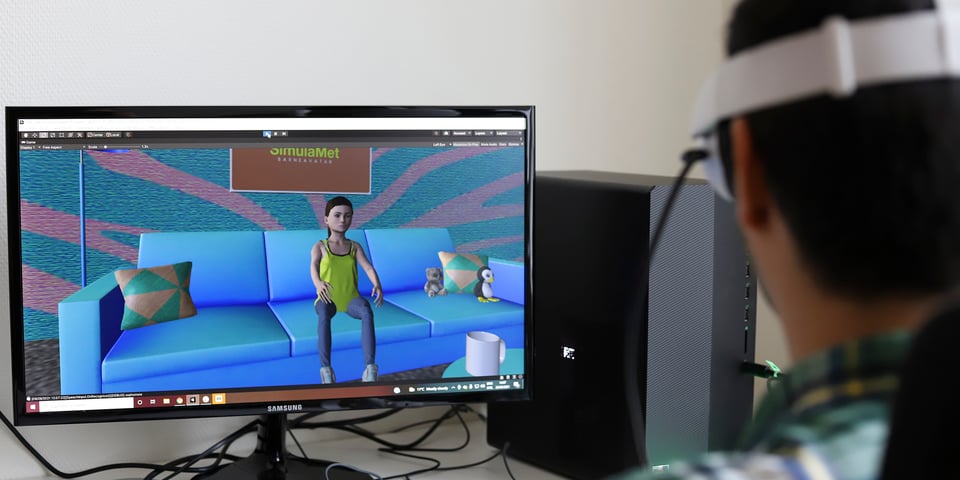
A developer with a VR headset looking at a child avatar on a computer screen.

Using AI to improve investigative interviews with children

Researchers and experts in the field of interviewing children are using artificial intelligence to develop new training methods for the police and the Child Welfare Services.

En eldre mann sitter ved et spisebord og ser inn i en dataskjerm.

Why is it so challenging to distribute COVID-19 information to the elderly in Norway?

People consume information in different ways. Catering to the needs and habits of the majority when conveying information can amount to discrimination against other groups—including the elderly.

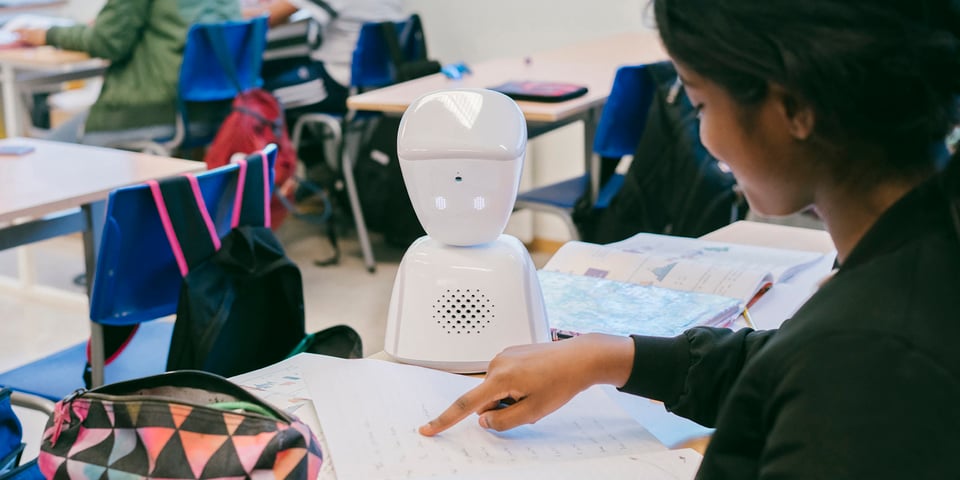
A small robot sits on a desk in class in a primary school.

This robot can help children with health challenges out of isolation

Even when the pandemic has been brought under control, many children will be unable to attend school for various reasons. Can robots help improve their school experience?

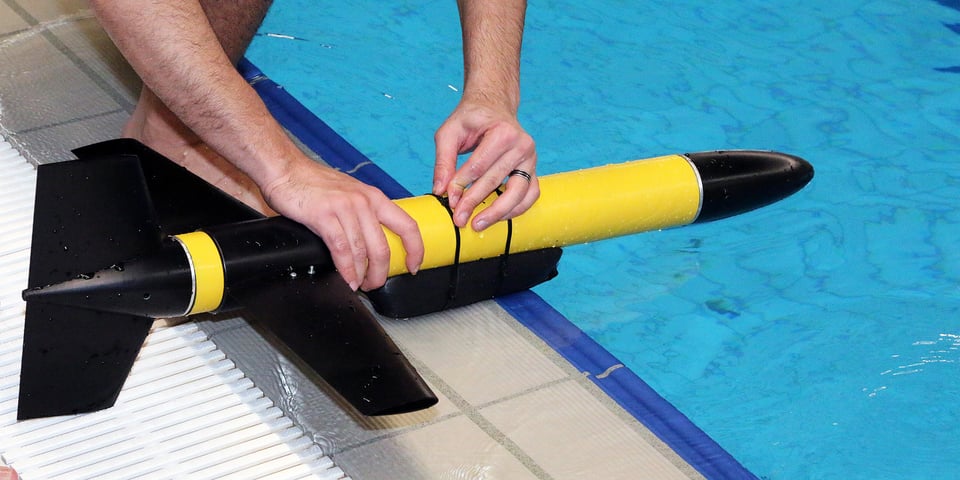
Underwater robot in black and yellow formed like a long tube with fins.

Underwater robots can help detect pollution at sea

Underwater robots, which consumes little energy, can collect environmental data over a long period of time, and could therefore be a much cheaper and safer alternative for detecting pollution at sea.

Detail of a laptop with letters on a keyboard lit up by blue and red light from the screen.

Making universal design a reality

When we design technology to be usable for everyone, we enable them to participate in society, regardless of disability or impairment. The United Nations refers to this as universal design.

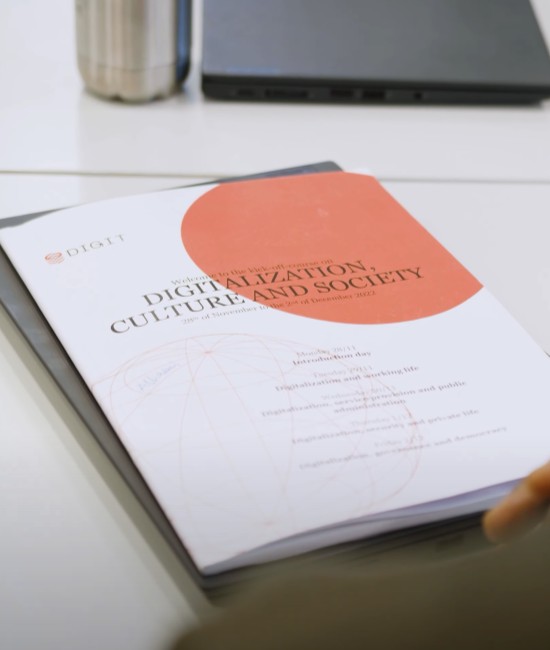
CEDIC hosts the new research school on Digitalization, culture and society (DIGIT)

The research school DIGIT first started in 2022. It is a collaboration between seven Norwegian universities, one research institute and six partners from the public and private sectors, and is coordinated by the Centre for Digitalization, Culture and Society (CEDIC) at OsloMet. The school is funded by the Research Council of Norway and offers a two-year programme of high academic quality and workplace relevance for PhD candidates or postdocs registered at Norwegian universities.

Visit the website (digitresearchschool.no)