Created by potrace 1.11, written by Peter Selinger 2001-2013
NO
Search oslomet.no
  • About OsloMet
  • Study at OsloMet
  • Our research
  • Work for us
  • Alumni
  • University Library
  • Contact us
  1. OsloMet
  2. ...Intermediate levels are hidden
  3. Research news
  4. Mothers of disabled children work less, take more sick leave, and often leave the workforce entirely

Mothers of disabled children work less, take more sick leave, and often leave the workforce entirely

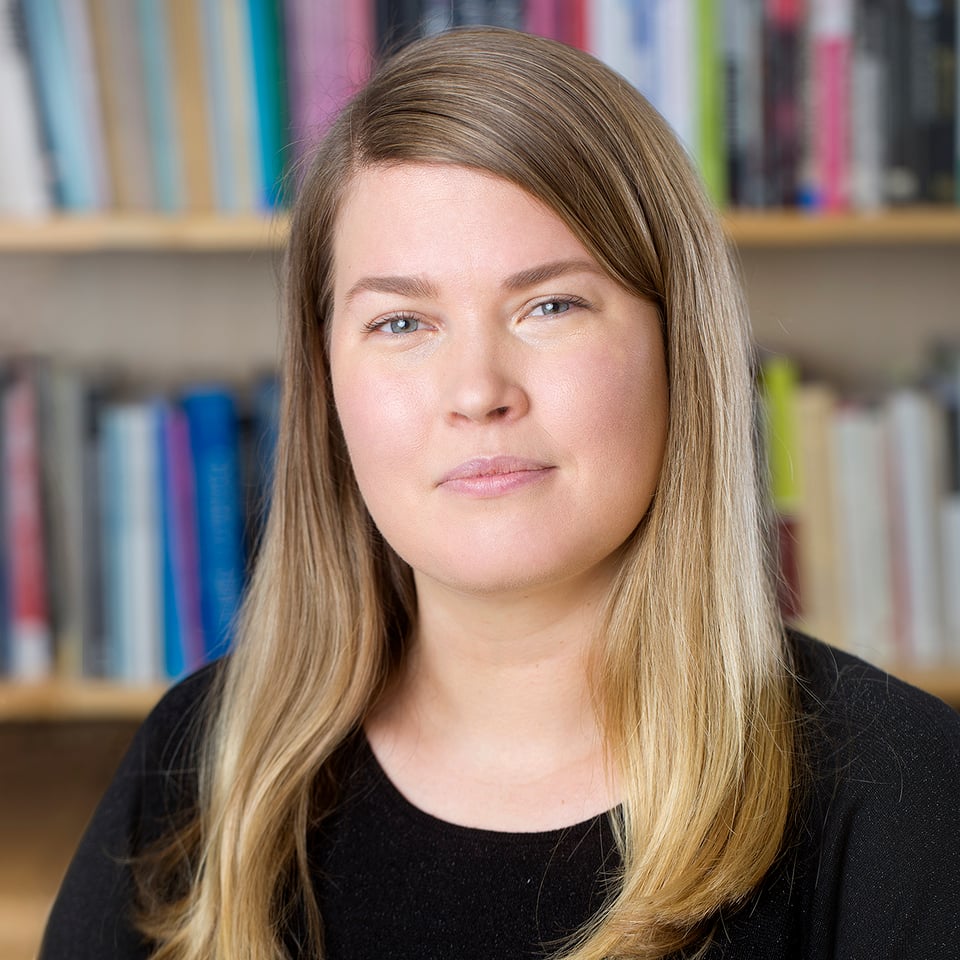
“There are schemes designed to alleviate the burden on mothers, but evidence suggests they are not effective,” says NOVA researcher Kaja Larsen Østerud.

Mother feeding child at kitchen table
Photo: NTB

Forskningsartikkel av: NOVA – Norwegian Social Research

Publisert: 19.11.2024Sist oppdatert: 16.11.2026
Sonja Balci

Mothers of disabled children in Norway often face a heavy caregiving burden, according to a new study by researchers at OsloMet.

The study examines the labour market participation of mothers with disabled children and how they manage the balance between caregiving responsibilities and employment.

Fathers, by contrast, are less affected in terms of labour market attachment or health when they have a chronically ill or disabled child. For mothers, however, the impact is significant, affecting their health, personal finances, and professional lives.

“There are schemes designed to alleviate the burden on mothers, but evidence suggests they are not effective,” says Østerud, one of the researchers behind the study.

Left to manage on their own

The research project that informed the study involved interviews with 11 mothers over an extended period and observations of interprofessional meetings concerning the child. The researchers also interviewed the mothers’ coordinators in their respective municipalities.

“We largely leave these mothers to manage on their own, and I believe they need more support from the public welfare system than they currently receive,” Østerud argues.

“This is also a gender equality issue. Why do we accept such poor labour market participation among these women?” she asks.

A matter of municipal budgets

Østerud notes that these challenges have been raised for years, but little has changed.

“Much of this comes down to municipal budgets. Difficult prioritisation decisions are made, and these women suffer as a result.”

The researcher suggests that earmarked funding for these families could be a solution.

“Some services might need to be taken over by the state. For instance, there have been discussions about moving user-controlled personal assistance from the municipal level to the Norwegian Labour and Welfare Administration (NAV).”

The mothers in the study emphasised that battles with the welfare system were particularly exhausting over time. A more supportive system that better understood the needs of individual families could ease caregiving burdens and make it easier for mothers to remain in the workforce.

Spend half a workweek managing the services

The study highlights how mothers of disabled children often reduce their working hours and experience declining health as they navigate the welfare system, affecting their ability to stay employed.

Previous research shows that families with disabled children spend, on average, half a workweek managing services for their child.

“This creates social inequality, as navigating the system is so demanding. Those who struggle with it may not receive the support they need,” says Østerud.

“Often, applications are rejected, requiring appeals, and all of this takes a lot of time. It’s a maze of rights and requirements they must navigate, with constant meetings.”

Reference

Østerud, K. L., Skjønsberg, E. E. & Albertini Früh, E. (2024): “My child is my job now” – Care, work and careers of mothers with disabled children in the Norwegian welfare state. Social Science & Medicine 
Contact

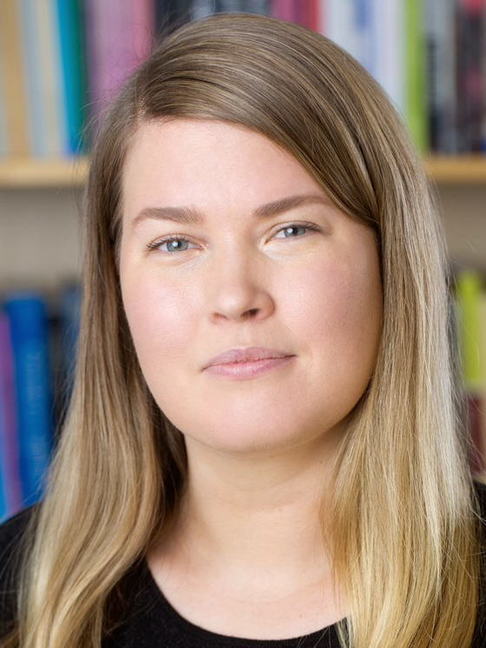
  • Kaja Larsen Østerud

    Kaja Larsen Østerud

    • Researcher
    • +47 672 36 909

Featured research

  • The centre of Oslo seen from the Ekeberg hillside with Bjørvika and Barcode in the foreground.
    • Working life, society and welfare
    • Cities, regions and urban life

    Oslo, the divided city

    A deep socioeconomic divide splits Oslo from east to west. It will continue to deepen unless it is more widely acknowledged and addressed.

  • A toughtful young man sitting alone
    • Health and social work

    Anxiety and depression more common among adults with ADHD

    According to new research, there may be several reasons for this.

  • A man entering a Norwegian Labour and Welfare Administration (NAV) office
    • Health and social work

    Unemployment is harmful to your health – especially if you are a man

    Men suffer more health problems as a result of unemployment than women, according to recent research from OsloMet.

  • A man is sitting alone on a swing looking at the sunset.
    • Childhood, school and education

    Researchers have been following 40-somethings since their teens: Who gets left behind?

    Researchers from Norwegian Social Research (NOVA) at OsloMet have been following the same people for more than 28 years. They now seek to investigate why some people have experienced marginalisation as adults.

More featured research

Forskningsartikkel av: NOVA – Norwegian Social Research

Publisert: 19.11.2024Sist oppdatert: 16.11.2026
Sonja Balci

OSLO METROPOLITAN UNIVERSITY
STORBYUNIVERSITETET

P.O. Box 4, St. Olavs plass
NO-0130 Oslo
Norway
Tel.: +47 67 23 50 00

Contact us

  • Facebook
  • LinkedIn
  • Instagram
  • Norwegian
  • Accessibility statement
  • Cookies policy
  • Employee directory
  • Employee website
  • Student website
  • Upcoming events
  • Work for us

Why do we accept such poor labour market participation among these women?

Kaja Larsen Østerud
Portrait of Kaja Østerud
  • Socio-spatial Inequality among Families with Children with Disabilities who are Entitled to Cash Benefits and Welfare Services (UPTAKE)

    The research project will provide insight into the uptake and delivery of benefits and services among parents of children with disabilities.

  • The Network for Disability Research

    A research network at Norwegian Social Research (NOVA).

About the study

  • Weaker labour market participation: Mothers of disabled children are less connected to the workforce than the general population.
  • Qualitative methods: The study uses interview and observational data from 11 mothers to explore the conflict between work and caregiving.
  • Significant conflict: The mothers experienced a major struggle balancing work with the necessary care for their children.
  • System-related stress: The conflict is exacerbated by insufficient support and the time-intensive demands of navigating the healthcare and welfare systems.
  • Authors: Kaja Larsen Østerud collaborated with PhD candidate Eia Elena Skjønsberg and Associate Professor Elena Albertini Früh at OsloMet.