"We need to talk about how we assess teacher students"
We often discuss how assessment should take place. But do we consider the purpose of assessment? asks an OsloMet researcher.

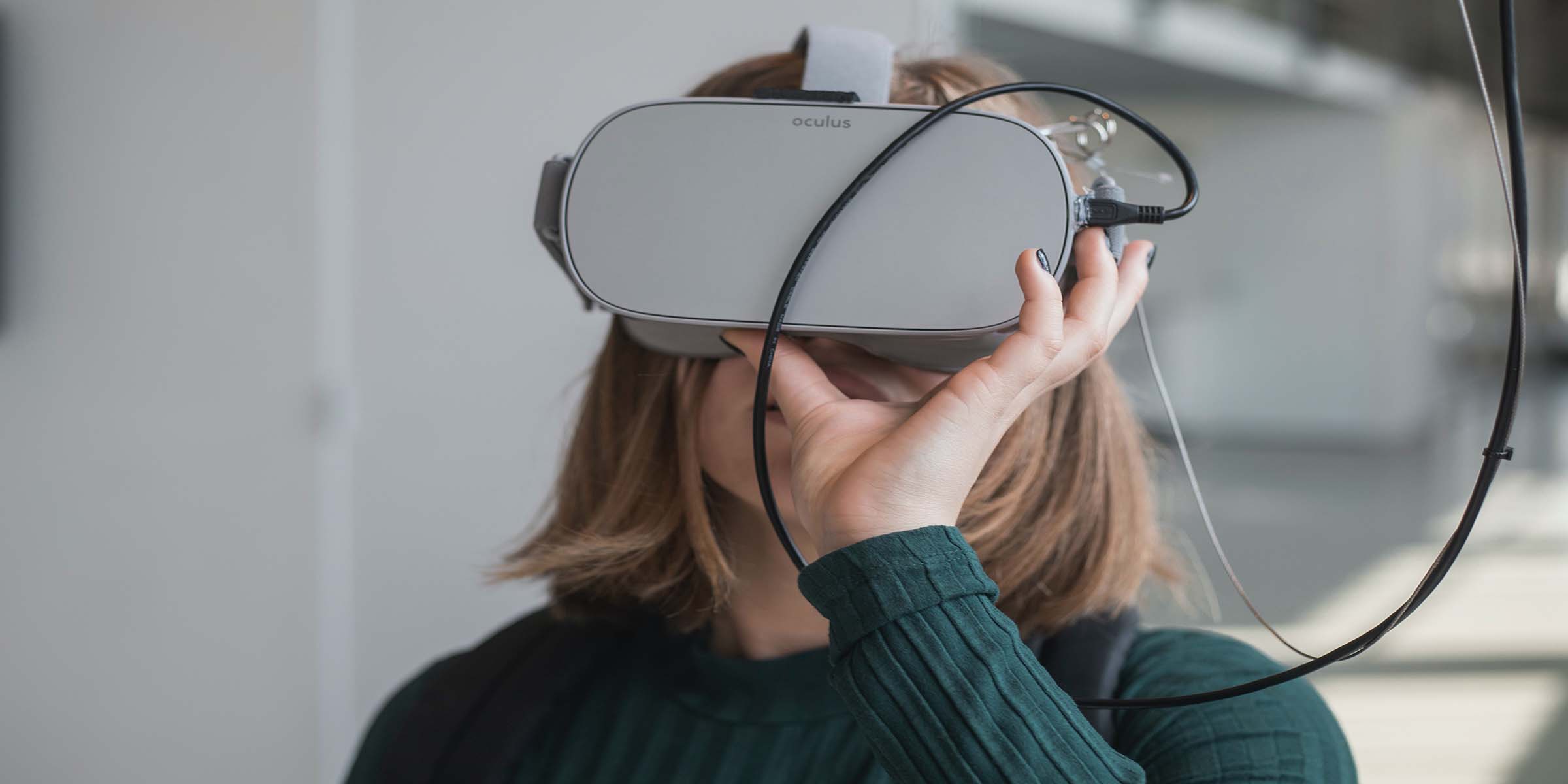
An increasing number of students are relying on artificial intelligence in their work. This has led to a lot of debate about whether traditional assessment methods such as home exams and assignments are still suitable for measuring what students have learned.
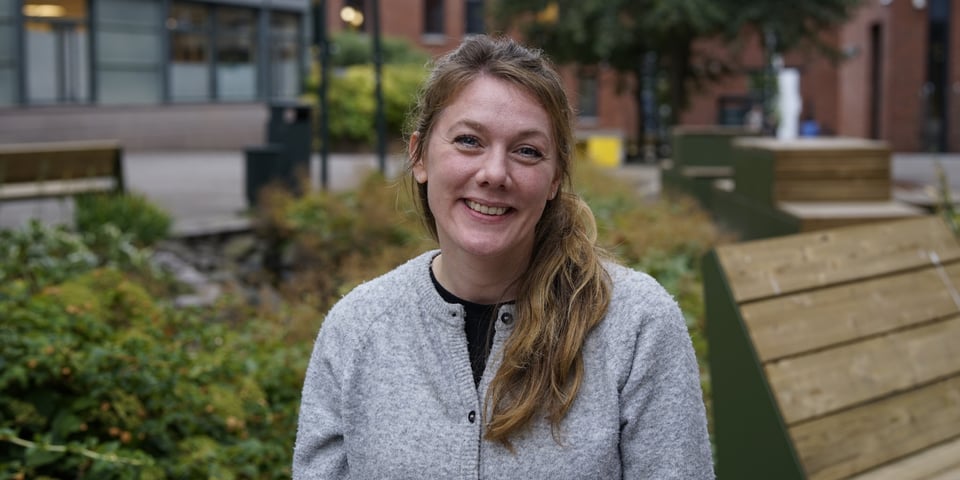
"The discussions are often about how to adjust the forms of assessment now that many students are getting help from AI. I think we need to take a step back, and look at what we should assess, and why," says Associate Professor Maiken Risan.
More research on tools than on the development of knowledge
She is behind a systematic review which shows that, despite a lot of research on assessment in higher education, surprisingly little research has been done on assessment in teacher education.
The study found six patterns:
- Many different research methods are used, but there is little research that compares assessment across countries.
- The research is more concerned with different types of assessment than at what knowledge is being assessed.
- The research looks more at specific events such as exams, and less at assessment as a process.
- Assessment is often researched as an isolated phenomenon. Assessment is rarely viewed in the context of study programmes, teaching and learning.
- There is a lack of research on the relationship between formative assessment and final assessment.
- There is little research on how to assess students' ability to integrate different types of knowledge.
Much of the research is about testing different types of assessment and examining the experiences of students or educators. This could for example entail a new digital platform, the use of multiple-choice tests, or students are being asked to create podcasts.
"The research tends to look at assignment forms or criteria for assessment, but not necessarily at what is being assessed. It's about the means, rather than the end," says Risan.
How do students apply the knowledge?
She says that they found a lot of research on assessment in individual subjects, such as mathematics or physical education. However, this research is not necessarily linked to what types of knowledge students need in their job as teachers.
"Researchers agree that teacher's competence is composed of different forms of practical and theoretical knowledge. But the research rarely explores how students integrate and apply these different knowledge aspects.”
How do teacher students develop knowledge over time?
Risan explains that assessment has a major impact on learning and teaching. Assessment also affects students' efforts.
She calls for more research on what types of knowledge we want students to demonstrate, and how students develop this knowledge over time.
"There is an agreement among researchers that formative assessment affects summative assessment. But there is surprisingly little research that examines how these are connected," says Risan.
She believes that the lack of such research means that we have limited knowledge about the effects of formative assessment on students' learning.
As an example, she mentions studies that look at the feedback educators give together with a grade. Such studies rarely look at how students can use this feedback to improve their next submission or exam.
"We need a common language"
Risan and Shavard found little comparative research across institutions or countries. This limits researchers’ opportunities for building on existing research.
"There is great variation in how researchers write and talk about assessment. Even though contexts across institutions and countries vary, we need a common language to describe how we assess, within Norway as well as internationally," says Risan.
In addition, she highlights three avenues for further research:
- The process of assessment and how it is related to students' development of knowledge over time.
- How formative assessment is linked to final assessment.
- What types of knowledge we want to assess, particularly concerning how students integrate theoretical and practical knowledge.
"To find out which types of assessment work best in light of the emergence of AI, we need more research on what knowledge we are actually trying to measure," she says.
"The research must account for the complexity of teachers’ professional knowledge and help students put this knowledge into words.”
Reference
Risan, M. & Shavard, G. (2025): A systematic scoping review of empirical research on assessment practices in initial teacher education (sciencedirect.com). International Journal of Educational Research.