The research group MNG (Media Narration Group) at the Department of Journalism and Media Studies examines various forms of narratives in the media – understood as journalism, general non-fiction and other media productions.
The group looks at how narratives in the public sphere develop over time and how they construct and reflect ways of seeing reality, both in journalism and other media productions. In particular, we examine how different developments in society affect media texts (verbal, visual and auditory), and vice versa.
An important part of the group's work is to strengthen discussion between researchers, media practitioners and society in general.
Heads of research group
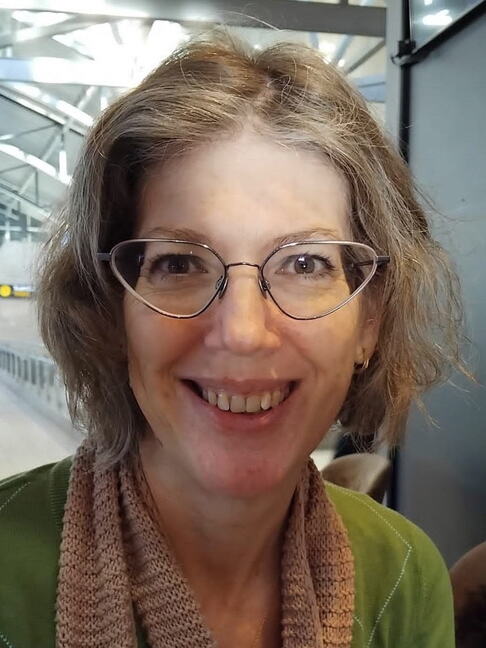
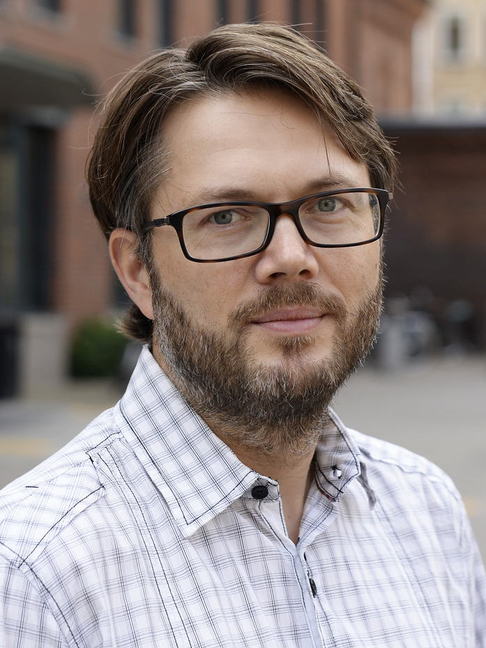
Members
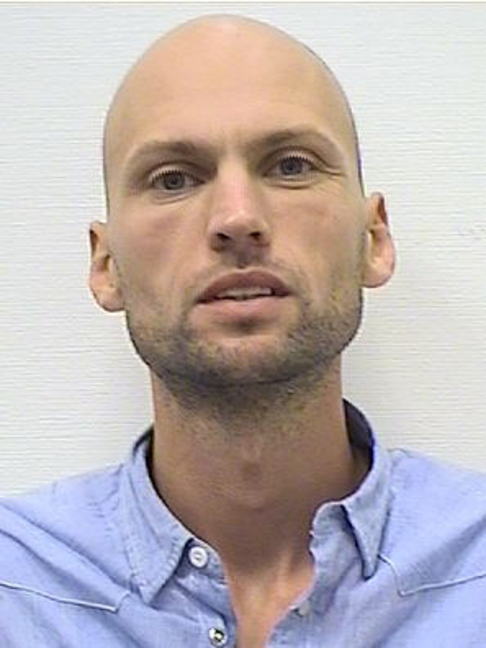
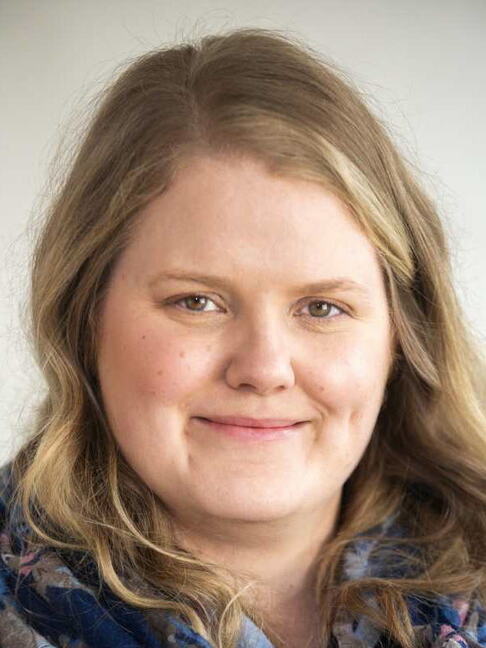
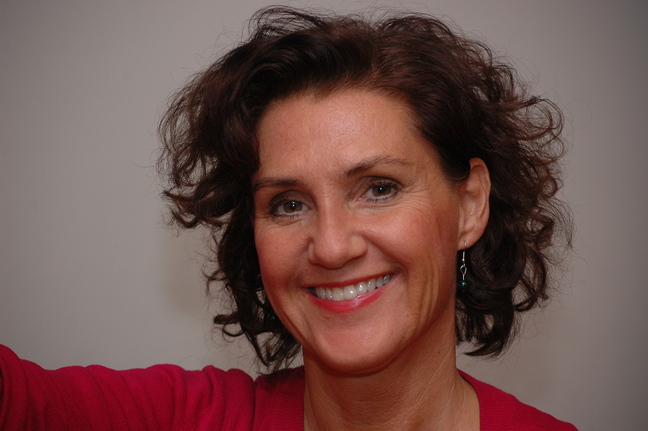
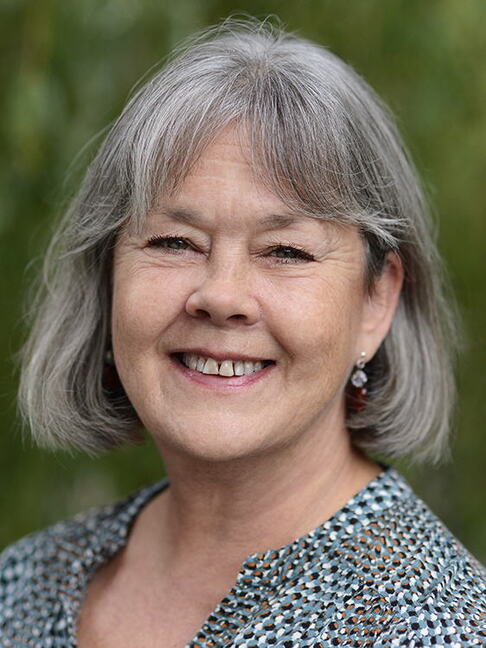
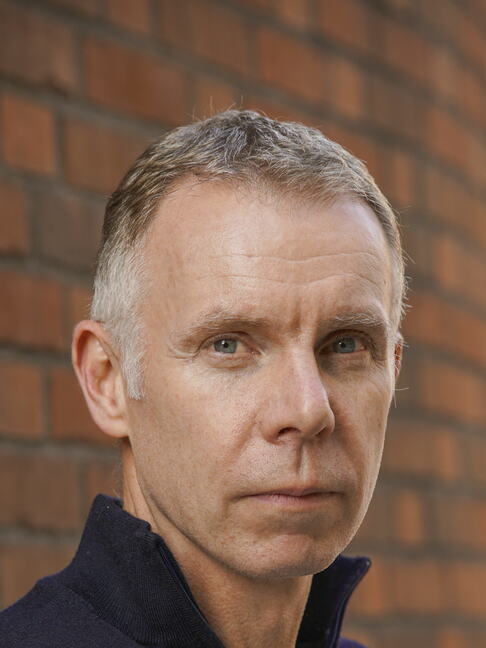
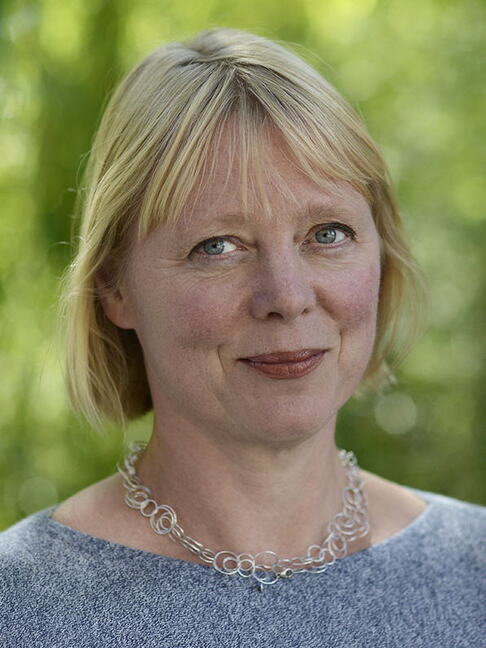
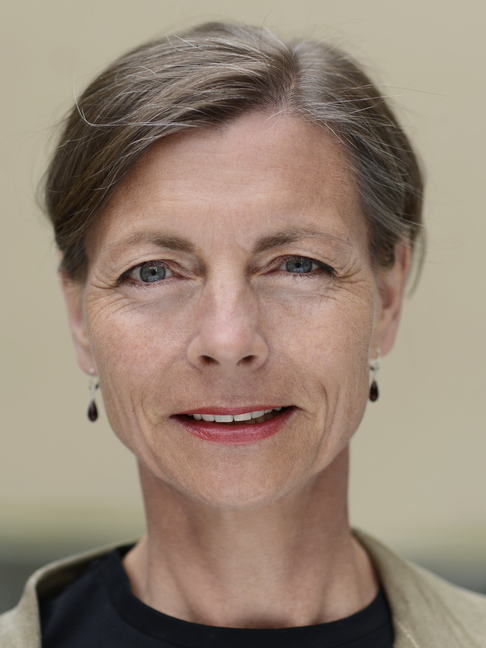
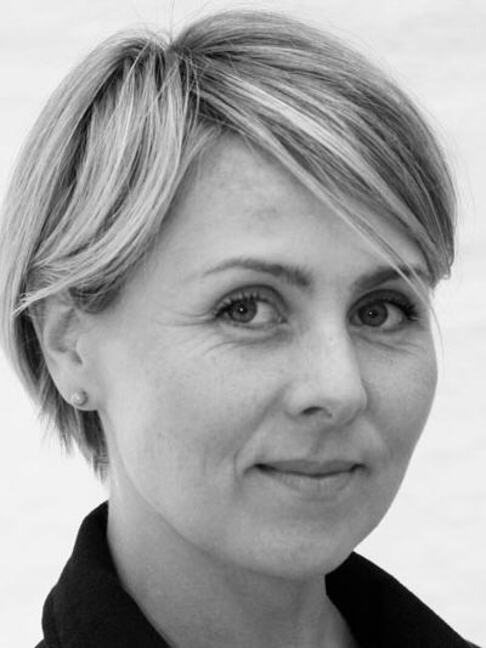
External members
- Klas Backholm, Åbo Akademi University, Finland
- Elisabet M. Nilsson, Malmö University, Sweden
- Robert Gutounig, FH Joanneum University of Applied Sciences, Austria
- Gabriel Malli, FH Joanneum University of Applied Sciences, Austria
- Susanne Sackl-Sharif, University of Music and Performing Arts Graz, Austria
- Ragnhild Fjellro, Cappelen Damm, Norway
- Josef Batikha, Roskilde University, Denmark
- Hannibal Munk, Roskilde University, Denmark
- Epp Lauk, Magnus Vytautas University, Estonia
- Jukka Kortti, Helsinki University, Finland
- Maria Nilsson, Stockholm University, Sweden
Current and past PhD students
- Siv Fjørtoft
- Mattis Vaaland
- Lukas Mozdeika
- Anna Grøndahl Larsen
- Jørgen Alnæs
- Kjersti Blehr Lånkan
Projects
More about the research group
MNG studies narratives and changes in narratives across a wide range of media, both theoretically and empirically. The group works mainly with qualitative, interpretive and participatory research approaches, drawing on methods from the humanities and social sciences. Through narrative, discourse, rhetorical, frame and content analysis, we examine how media construct meanings, identities and social realities. We also explore how audiences engage with media and how communication practices evolve in digital environments.
Our research encompasses journalism, non-fiction, digital media and communication more broadly. We investigate how narratives influence public understanding of social, political and cultural issues, while also examining developments in areas such as media literacy, youth participation, sport journalism and communication, crisis and risk communication, visual journalism and geopolitical narratives.
The group studies these issues from contemporary, historical and comparative perspectives in Norway and internationally. Through interdisciplinary collaboration and engagement with both academic and professional communities, MNG contributes knowledge that advances research, education and public debate.
With thanks to Profs Harald Hornmoen and Birgitte Kjos Fonn for their outstanding leadership from 2016-2026.
Methodology
MNG investigates media narratives through a combination of qualitative, interpretive and participatory research approaches. Members of the group employ narrative analysis, discourse analysis, rhetorical analysis, frame analysis, content analysis and textual interpretation to examine how media construct meanings, identities and social realities.
Research within the group extends beyond traditional text analysis to include participatory and collaborative methodologies, audience-oriented research, digital media studies and interdisciplinary approaches that draw on journalism, communication, non-fiction, historical and contemporary media studies, and the social sciences.
Activities and networks
MNG is an internationally engaged research group with expertise in journalism, media and communication studies, narrative theory and analysis, youth participatory research, media literacy, sports journalism and communication, crisis and risk communication, science journalism, media history, visual journalism and geopolitical narratives. Between 2022 and 2026, group members contributed to 49 unique research publications including books, edited volumes, journal articles and scholarly special issues.
A distinctive feature of MNG (and its predecessor INDEX) is its strong culture of collaboration. The group's research is developed through national and international partnerships involving universities, professional organizations and research networks across the Nordic and Baltic region, European Union, and beyond. MNG members regularly contribute to international conferences, including NordMedia and ECREA, while also organising and hosting panels, workshops and scholarly events.
The group combines academic excellence with public engagement. Members contribute regularly to public debate through expert media commentary, invited lectures, professional presentations and research dissemination activities addressing current developments in the field.
Recent research projects and collaborations
MNG's research is strengthened through major international collaborations, including the U-YouPa project and the RESCUE project, both funded by The Research Council of Norway, the REJEUVENATE research network, the Nordplus-funded Enhancing Integration partnership, and the Nordic-Baltic project Geopolitical Narratives in the Nordic and Baltic countries. These initiatives connect MNG researchers with colleagues across Europe and contribute to research on media literacy, democratic engagement and participation, and social inclusion.
Selected books and special issues
- Hågvar, Yngve Benestad; Hornmoen, Harald; Alnæs, Jørgen (2026). Narrative Theory in Journalistic Practice: Understanding Emerging Digital Genres (taylorfrancis.com). ISBN: 9781003504252. 138 s. Routledge.
- Hornmoen, Harald; Hyde-Clarke, Nathalie; Stuedahl, Dagny (2026). Media Engagement, Literacy, and Dialogue among European Youth: Participatory Research as a Gateway (taylorfrancis.com). ISBN: 9781003527169. 174 s. Routledge.
- Knudsen, Anders Graver; Hornmoen, Harald; Hyde-Clarke, Nathalie (2024). Sports Journalists as Agents of Change in Nordic Countries (cogitatiopress.com). Media and Communication. Vol. 12.
- Hornmoen, Harald; Fonn, Birgitte Kjos; Hyde-Clarke, Nathalie; Hågvar, Yngve Benestad (2020). Media Health. The Personal in Public Stories (scup.com). ISBN: 9788215040844. 247 s. Scandinavian University Press.
- Hornmoen, Harald; Backholm, Klas. (2018). Social Media Use in Crisis and Risk Communication: Emergencies, Concerns and Awareness (emerald.com). ISBN: 9781787562691. 308 s. Emerald Publishing.
- Fonn, Birgitte Kjos; Hornmoen, Harald; Hyde-Clarke, Nathalie; Hågvar, Yngve Benestad (2017). Putting a Face on it: Individual Exposure and Subjectivity in Journalism (nva.sikt.no). ISBN: 9788202522148. 374 s. Cappelen Damm Akademisk.
Research in education
Research and education are closely integrated within MNG. Group members contribute to teaching and supervision across bachelor, master and doctoral levels in journalism, media and communication studies. Students are encouraged to engage directly with ongoing research through course activities, thesis projects, guest lectures, research assistant opportunities and collaborative initiatives. MNG members support the development of the next generation of media scholars.
Current research informs teaching and supervision in the following areas: Journalism and media narratives; Media literacy and critical media understanding; Narrative and discourse analysis and theory; Digital media and participation; Identity, representation and inclusion; Sports journalism and communication; Media history; Narrative non-fiction; Literary journalism; Science journalism, Crisis and risk communication, and Media and Research ethics and professional practice.
The group's work contributes to strengthening students' analytical skills, methodological competence and critical engagement with contemporary media environments.