DISCo: Digital infrastructures for sustainable consumption
DISCo aims to produce knowledge on how consumption can move in a more sustainable direction by applying digital technologies.
Global consumption and production volumes have increased for years and are now at a non-sustainable level. This has resulted in over-exploitation of natural resources, loss of biodiversity and climate change. DISCo aims to produce knowledge on how consumption can move in a more sustainable direction by applying digital technologies.
While many would agree that it is important to transition to more sustainable lifestyles to address the problems we are facing, changing current consumption patterns has proved difficult. Part of this has to do with the difficulties associated with being a sustainable consumer. Lack of information, multiple sustainability labels, and green washing create confusion among consumers. Furthermore, practices such as repairing, reusing, purchasing second hand and recycling require knowledge and can be time consuming.
Digital technologies can solve many of these problems. Smartphone applications and digital platforms can assist consumers to choose sustainable products in-store, support peer-to-peer sharing networks, and facilitate the reselling of goods. Digital technologies contain thus great promise for promoting sustainable consumption.
However, if this potential is to be realized, we must have a better understanding of how and with what environmental consequences these "greening" technologies become part of households' everyday practices.
- What is involved in the successful introduction of these digital technologies?
- Do they really bring about more sustainable modes of consumption?
Theories and methods
DISCo draws on theories of practice and makes use of multiple methods to systematically investigate digital efforts reconfigure consumption in the areas of food and mobility. Ethnographic methods are put to use to understand everyday life, life cycle analysis to understand the impacts of proposed solutions, and design methods to instigate positive change. Empirical focus will be on the consumption of food and mobility.
The project is funded by Belmont Forum, an international partnership that mobilizes funding of environmental change research and accelerates its delivery to remove critical barriers to sustainability.
Project participants

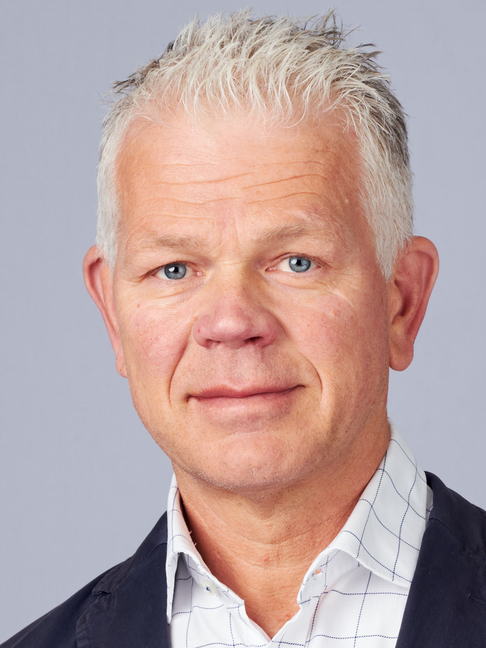
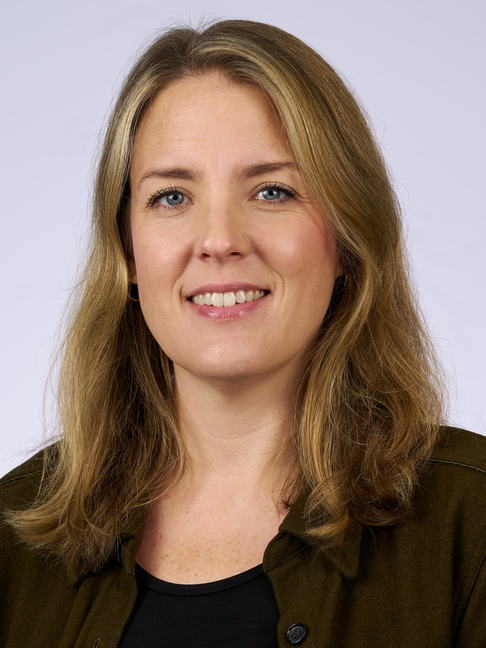
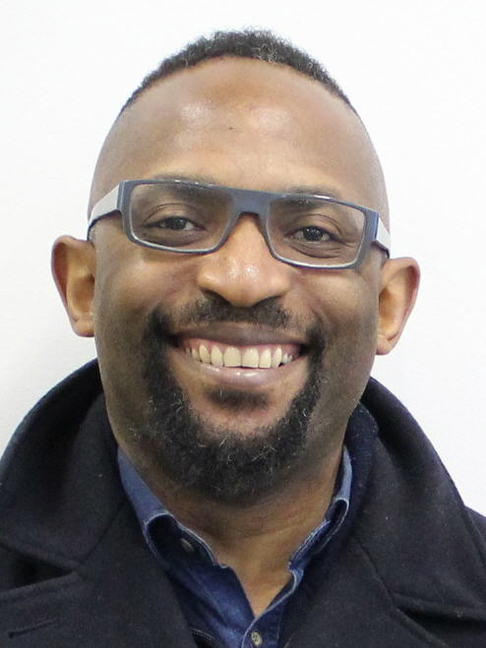

External participants
- Manisha Anantharaman, Saint Mary's College of California, USA
- Aykut Coskun, Koc University, Turkey
- Christian Fuentes, Lund University, Sweden
- Yusuke Kishita, University of Tokyo, Japan