Created by potrace 1.11, written by Peter Selinger 2001-2013
NO
Search oslomet.no
  • About OsloMet
  • Study at OsloMet
  • Our research
  • Work for us
  • Alumni
  • University Library
  • Contact us
  1. OsloMet
  2. ...Intermediate levels are hidden
  3. Research projects
  4. Public health nurse’s in Child and Family Health Centres work to prevent and detect child maltreatment

Public health nurse’s in Child and Family Health Centres work to prevent and detect child maltreatment

This project initially aims to investigate attitudes and knowledge and current practices among Norwegian PHNs in CFHC to prevent and detect child maltreatment.

Period
01.06.2021 – 09.07.2024
Funding
OsloMet – storbyuniversitetet
Project owner
  • Faculty of Health Sciences (HV)
  • Department of Nursing and Health Promotion
Project leader
  • Lena Henriksen
Project number
10529

Child maltreatment is a global concern, particularly among Norwegian adolescents and in Europe. Rates of parental physical and adult-perpetrated sexual abuse are worrisome in these regions.

Age plays a role, with sexual abuse more prevalent in adolescence and fatal physical abuse higher in infants. Early experiences significantly impact brain development, making preventive measures like home visits essential.

To address this, our project will examine Norwegian Public Health Nurses' attitudes, knowledge, and practices through qualitative interviews and a comprehensive national survey consisting of 128 questions across five sections.

This research will inform future articles on various aspects of child maltreatment in Norway.

Project participants

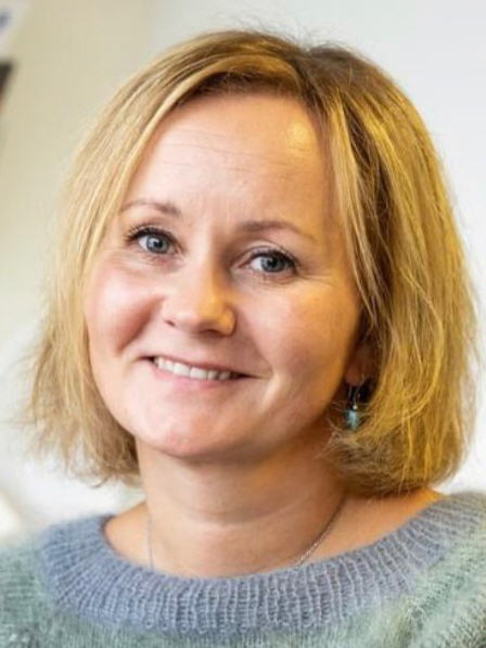
  • Lena Henriksen

    Lena Henriksen

    • Professor
    • +47 672 37 194
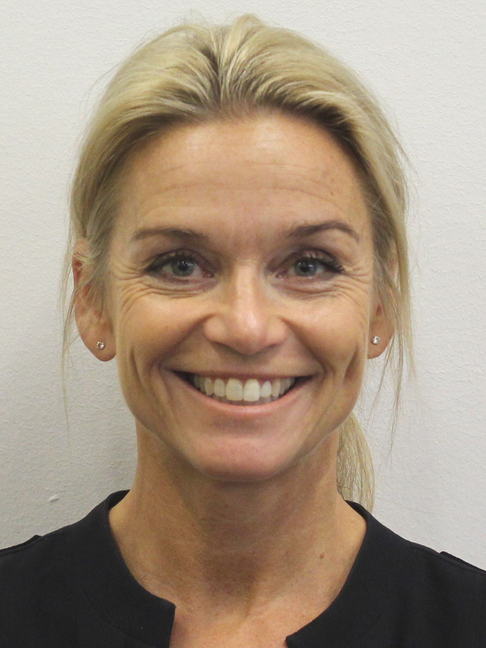
  • Astrid Midtsund

    Astrid Midtsund

    • Associate professor
    • +47 672 35 350
  • Lisbeth Valla

    Lisbeth Valla

    • Professor
    • +47 672 36 807

Research groups

  • Midwifery Sciences
Publisert: 16.10.2023Sist oppdatert: 08.04.2025

OSLO METROPOLITAN UNIVERSITY
STORBYUNIVERSITETET

P.O. Box 4, St. Olavs plass
NO-0130 Oslo
Norway
Tel.: +47 67 23 50 00

Contact us

  • Facebook
  • LinkedIn
  • Instagram
  • Norwegian
  • Accessibility statement
  • Cookies policy
  • Employee directory
  • Employee website
  • Student website
  • Upcoming events
  • Work for us

More about the project

Child maltreatment is a global issue with profound consequences for children, families, and society. It is associated with increased risks of mental illness, cognitive impairment, substance abuse, criminal behavior, poor physical health, and premature death among affected children.

Child maltreatment encompasses various forms of abuse and neglect, as defined by the World Health Organization (WHO).
Prevalence rates of child maltreatment vary, with estimates indicating significant occurrences in Europe, including Norway.

A study among Norwegian adolescents revealed concerning rates of parental physical abuse and adult-perpetrated sexual abuse.

The risk of different forms of child maltreatment varies with a child's age, with sexual abuse more prevalent during adolescence and fatal physical abuse posing a higher risk to infants. Early experiences significantly influence brain development and overall well-being.

Preventive measures, such as home visits and parental support, have been effective in mitigating child maltreatment. Interdisciplinary collaboration is also recommended for enhanced prevention and detection efforts.

In Norway, Public Health Nurses (PHNs) play a crucial role in child health assessments and are well-positioned to identify and prevent child maltreatment.

However, the role of PHNs in detecting and preventing child maltreatment has had a limited focus, and to our knowledge, there is no clear data on how PHNs in Norway interpret or follow the guidelines for child maltreatment.

Objective

The overarching objective is to enhance PHNs ability to identify and refer cases of children experiencing child maltreatment, thus improving children's health and quality of life.

This project initially aims to investigate attitudes and knowledge and current practices among Norwegian PHNs. 

Method

We plan to conduct a mixed method approach using both qualitative and quantitative methods.

The result of these studies will lay a foundation for a future intervention study that aims to tailor a more targeted and improved education for PHN’s and improve services in CFHC.

The ultimate aim of the study is to increase the detection of child maltreatment, increase the number of early referrals and improve health for children.