These people are most sceptical about electric cars
Women, the elderly and people with lower levels of education are among the groups who are most sceptical about electric cars, according to a new study.
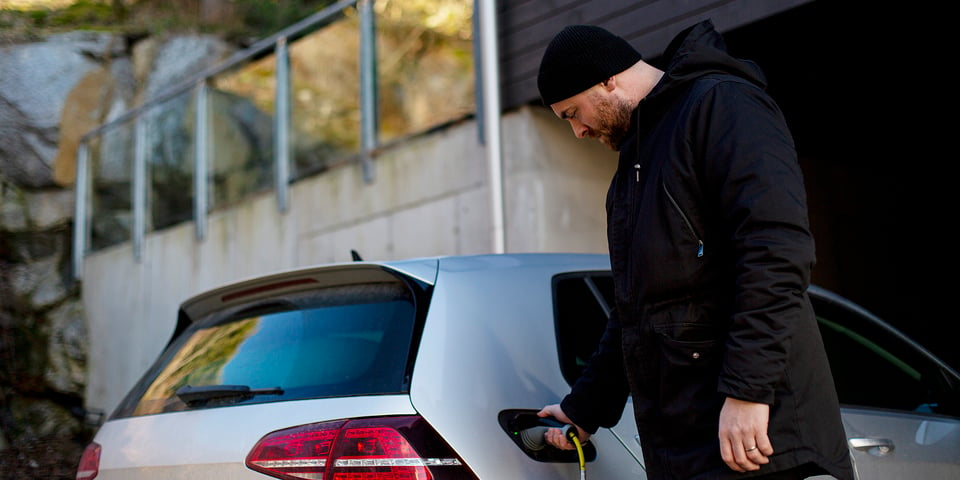
Today, electric cars account for 94 per cent of new car sales and 30 per cent of the passenger car fleet in Norway, but there are still high levels of scepticism regarding electric cars.
According to the researcher Live Tørstad Bøyum, the sceptics share some common traits.
“I found, among other things, that women are more sceptical about purchasing an electric car than men are,” Bøyum says.
She believes this could be linked to differences in risk appetite.
“Men are often more interested in new technology and take greater risks, while women prioritise practical aspects such as range and access to charging facilities,” she adds.
Older people are more sceptical
Age also plays a part when it comes to attitudes relating to electric cars. Scepticism grows among people over the age of 45,” Bøyum explains.
“This could be due to previous driving habits and the fact that the younger generation is more concerned about the climate,” she says.
People with higher education are more positive
People with higher levels of education are both more positive to electric cars and more likely to own one.
“This may be due to greater environmental awareness and greater willingness to adopt new technology among those with higher education,” Bøyum says.
Additionally, more people with higher education live in cities, where there are often advantages to owning an electric car, such as access to bus lanes and better charging opportunities.
“In fact, the likelihood of driving an electric car increases by 85 per cent in people with higher education,” she says.
Why are some people sceptical about electric cars?
The study uncovered several reasons why some people remain sceptical about electric cars:
- Environmental impact: Many people are unsure how environmentally friendly electric cars actually are. Although there are reduced emissions during use, there are challenges associated with lithium mining, battery recycling and resource consumption.
- Technology: Some people find that the range, driving characteristics and availability of electric car models do not meet their needs.
- Price: Sceptics often find that the cars that meet their expectations are too expensive. Many people do not want to buy a used electric car due to rapid technological advances, which could make older models outdated.
How crucial is income?
Higher income increases the likelihood of owning an electric car, but income is not necessarily the decisive factor when it comes to attitudes relating to electric car purchases.
“In Norway, tax policies and incentives mean that electric cars are attractive to both low and middle-income groups,” Bøyum says.
However, she notes that high-income households can be sceptical if they perceive electric cars to be impractical, for example in relation to range or uncertainties regarding battery lifespan.
“For many people, scepticism is linked to electric cars being perceived as expensive in relation to usefulness even if they could afford to buy one,” she explains.
The latest electric cars attract households with strong purchasing power
High-income groups often end up buying new electric cars as they can afford the latest models with longer range and better features.
“Even though electric cars are more affordable to run, they still have a higher purchase price than many fossil cars. This makes it easier for those with financial freedom to choose the latest models,” says Bøyum.
References
- Live Bøyum 2025: Consumer preferences for battery electric vehicles: Comparing Norwegian consumer groups (sciencedirect.com)
- Electric car statistics: elbil.no