Skiing in the city
What defines quality of life in a city? Is it the availability of good restaurants, bars and entertainment options? Or is it easy access to unspoilt nature? In Oslo, you don’t have to choose between the two—we have plenty of both.
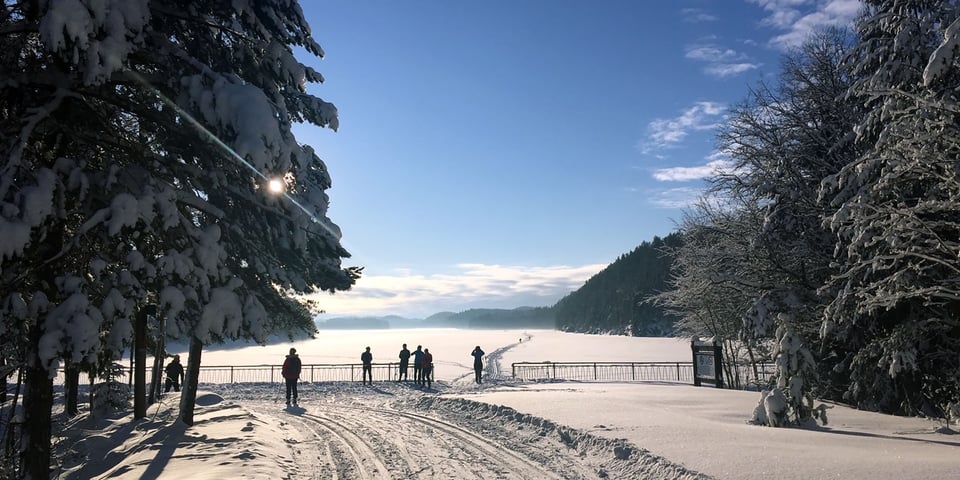
Oslo offers the best of both worlds: city life and close proximity to Norwegian nature.
During the spring, you’ll see half the city working on its tan on a waterside pier, in a park or on a sandy beach.
As the days grow longer, the Oslo Fjord start to fill up with people of all ages swimming in the clean, salty water as they watch the sun set over the city.
Fast-forward to winter and another element in Oslo’s arsenal of natural wonders takes centre stage.
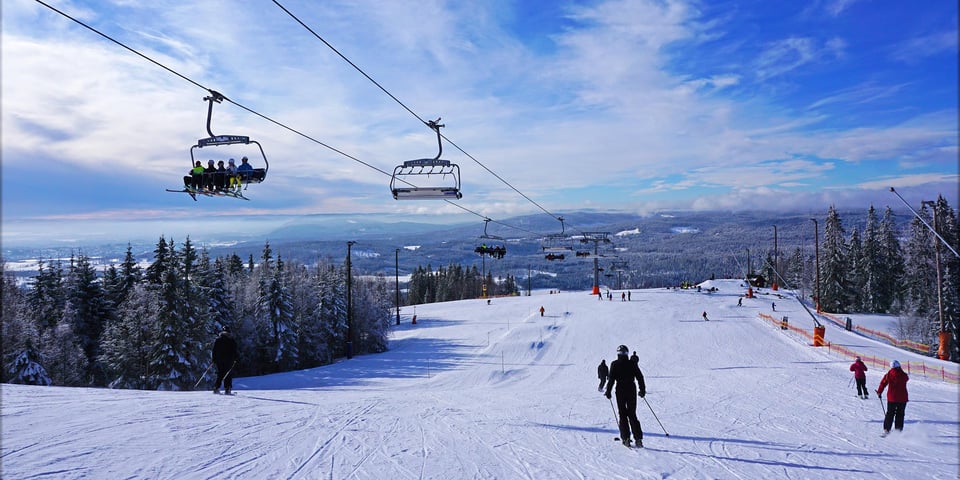
While there are still a few hardy souls swimming in the now quite chilly fjord, winter in Oslo for nature enthusiasts is really about one thing: skiing.
Skiing as a way of life
There’s a popular saying that Norwegians are born with skis on their feet. And there’s little question that most adults here have a relationship to skiing and incorporate it into their winter routine.
So, what’s so special about skiing? Locals will tell you that cross-country skiing offers an ideal way to enjoy the outdoors during winter.
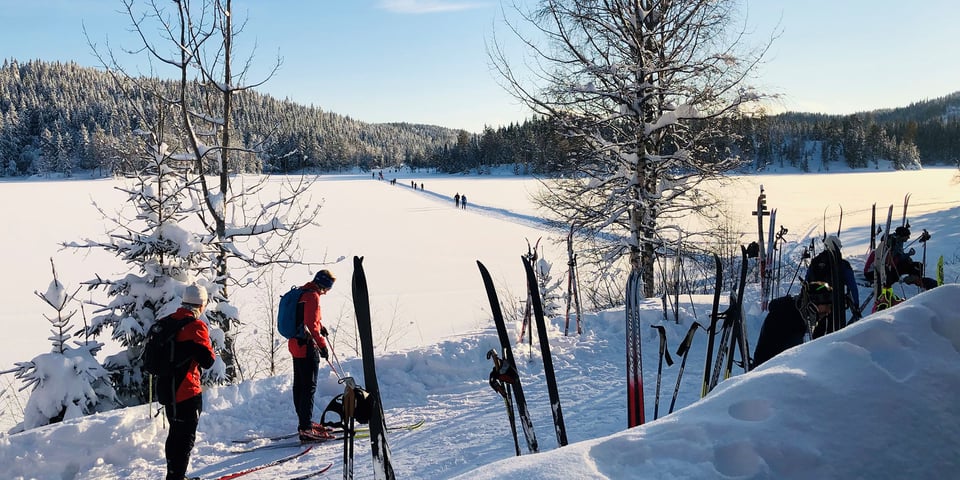
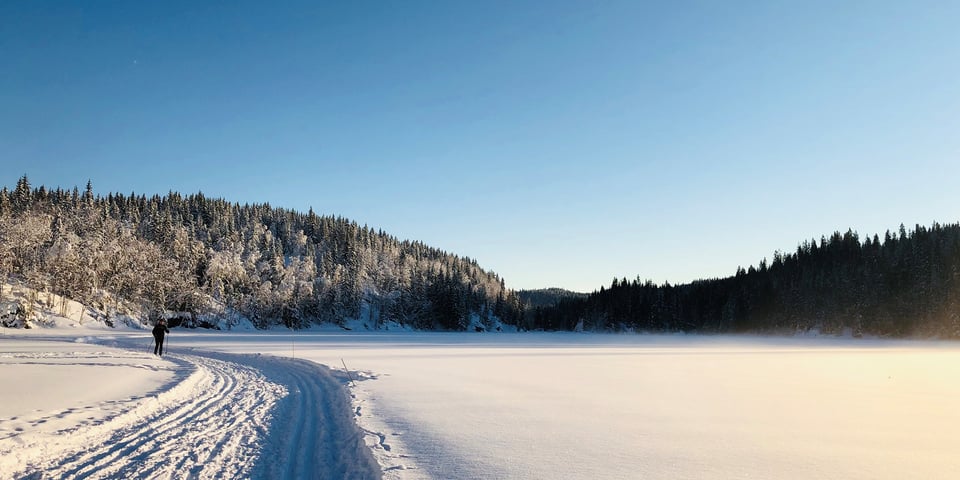
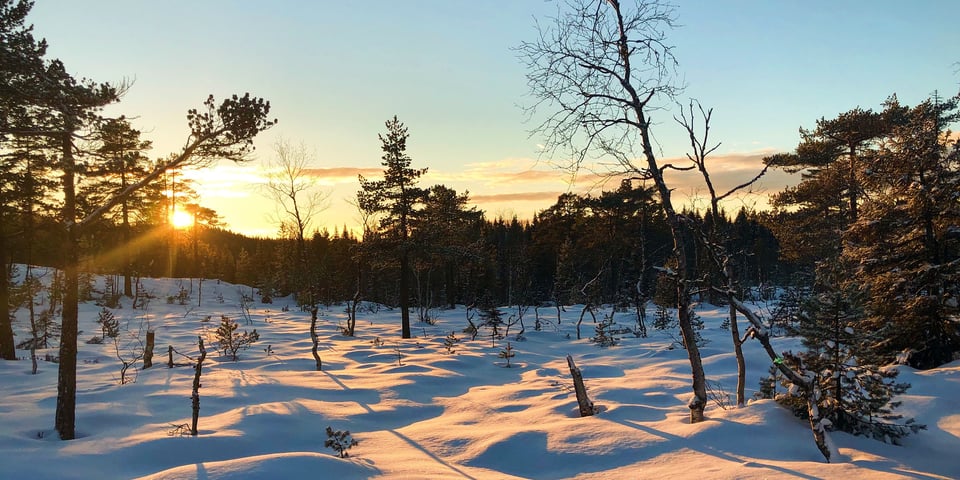
Think of your skis as an extension of your own two feet as you navigate the forested hills of Oslo, breathing in the unpolluted air, and catching occasional glimpses of the city lights and the fjord beyond the trees.
Learn how to ski
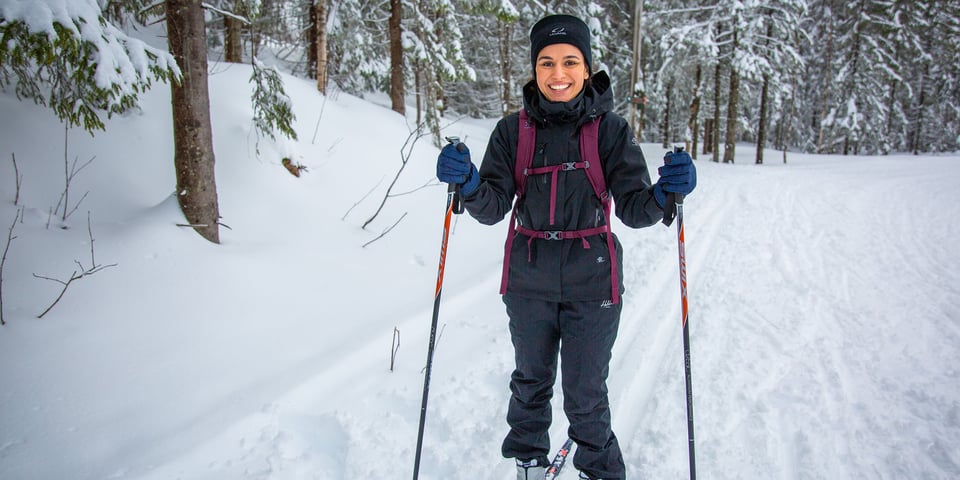
Anyone can learn to ski—even you reading this.
Oslo is full of foreigners who grew up in warmer climates and had zero skiing experience before they moved here and discovered the subtle joy of gliding through the forest on a sunny winter’s day.
There is no shortage of affordable beginner's courses aimed at newcomers to Norway.
Some workplaces, like OsloMet, even offer courses to new international employees free of charge, while international students can choose between a wide range of low-cost course providers.
Another way to get your feet wet (or should we say frozen) is to borrow a pair of skis and ask a Norwegian colleague or friend to teach you the basics of cross-country skiing and give you pointers as you get the hang of things.
Most foreigners agree that learning to ski is easier than they had imagined. Maybe the best way of thinking about learning to ski is to recall what it was like learning to ride a bike.
A lot of it comes down to balance and practice, and once you get the hang of it, you never forget it.
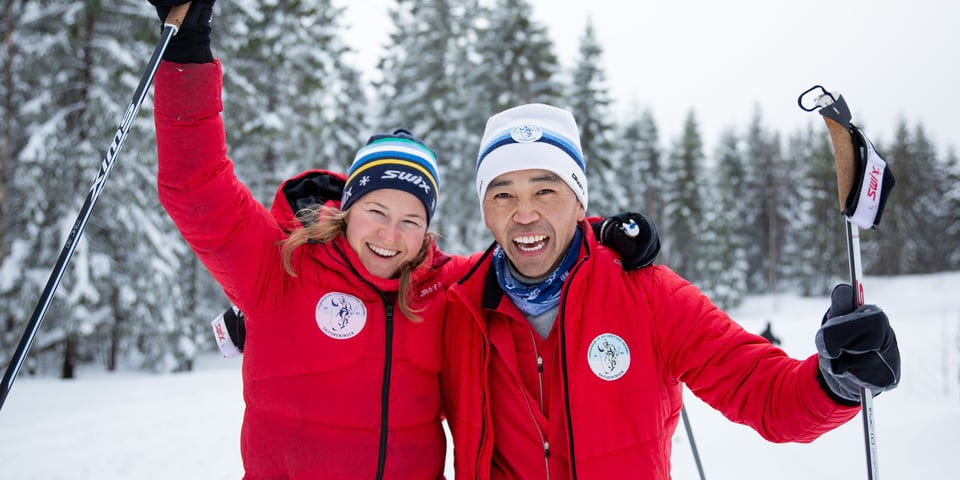
Many Norwegians will jump at the chance to share this aspect of their culture with newcomers.
Nor do you have to worry about getting run over by more experienced skiers as you navigate the trails—Norwegians can spot a novice skier a mile away and will simply adjust their course and ski right past you.
Skiing is great exercise
Not yet ready to strap on a pair of skis and hit the trails? Cross-country skiing is a great way to get or stay in shape. An hour spent on the ski trails is about as effective a cardio workout as an hour spent on the treadmill.
What might be less obvious is the muscles you activate while skiing: your legs, arms and core all get a pretty serious workout.
Luckily for beginners, the trails around Oslo are mostly flat, so you won’t feel like you just completed a triathlon when you pack up your skis for the day.
You will, however, feel like you’ve met your daily exercise quota.
Forest as far as the eye can see
Say you do get the hang of this skiing thing. One of the reasons Oslo is considered such a skiing paradise is that the trails go on for kilometres on end.
There are two massive forests for you to choose from, both of which it would take days to cross on skis or on foot.
There’s even a network of cabins where you can break up your trip over a cup of hot chocolate, a bowl of soup, or a big heaping of reindeer stew (vegan or meat versions both available—this is a Nordic capital after all).
Off the grid for a night
If you make it a little deeper into the forest, you can even spend the night with a group of colleagues or friends at a cabin operated by The Norwegian Trekking Association.
Does the idea of getting completely off the grid and waking up in total isolation while still inside the city limits sound tempting?
If you’re nodding your head, you basically have two choices: learn to ski, or opt for the slower version and hike to one of these cabins once the snow melts. Both are fun, but only learning to ski truly qualifies you as a Viking.
How to get to the ski trails
The Oslo city limits include vast forests that stretch on for miles and miles.
Nordmarka
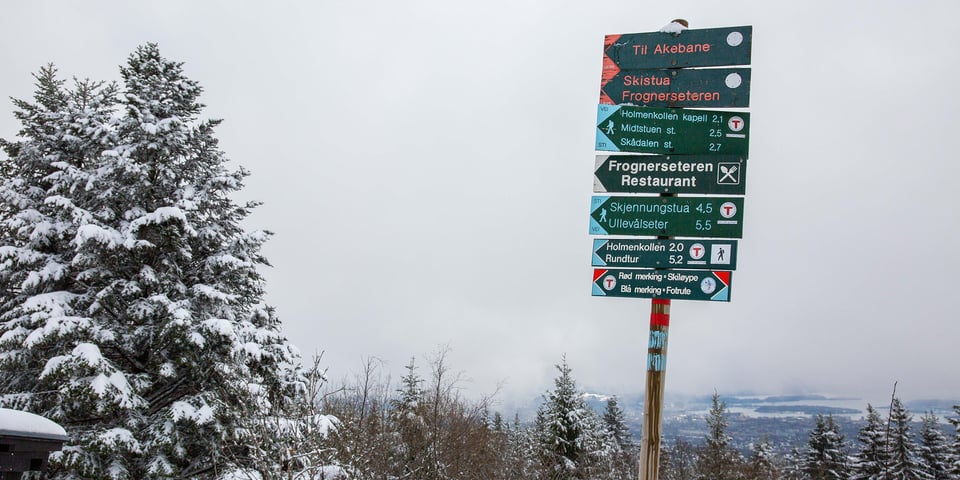
Nordmarka is the name of the forest that borders the city to the north. You can ski your way through this natural wonderland from any of these three gateways, all of which can be reached using public transportation.
Frognerseteren
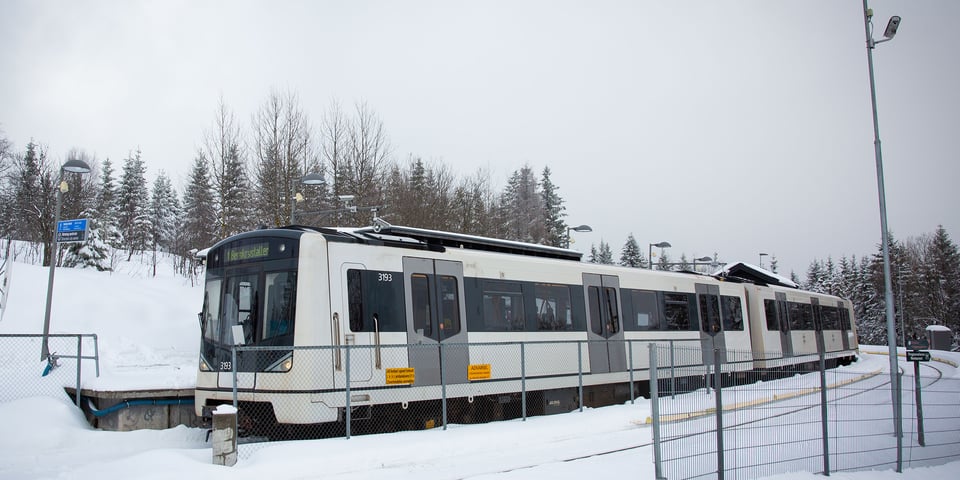
- From OsloMet’s Pilestredet campus, walk ten minutes to the Nationaltheatret metro station and take line 1 to the last stop, Frognerseteren. The trip takes about 25 minutes and is arguably one of the most scenic subway rides in Europe. A number of ski trails originate from just beside the metro station. The terrain here is largely flat and is well suited to beginners.
- Drive from anywhere in Oslo. From the city center, the trip takes around 15 minutes. There is paid parking at Frognerseteren.
Sognsvann
Line 5 of the metro takes you from central Oslo and deposits you at the edge of the forest. The flat, forested terrain around Sognsvann, a lake in northern Oslo, is a great place to learn how to ski.
Lillomarka
Lillomarka is another popular ski area a short bus, tram or metro ride from downtown. It has a number of trails and cabins you can stop at for hot chocolate or a snack.
Østmarka
Immediately to the east of Oslo is another massive tract of forest called Østmarka. You can access ski trails from any of these jumping-off points.
Skullerud
From the city centre, line 3 of the metro will get you to Skullerud station in 20 minutes. From the station, it's a short walk to Skullerudstua, where several ski trails into the forest originate. There's also a beginner's track here for inexperienced skiers to get comfortable and work on their balance before attempting the longer trails.
Ellingsrud
Ellingsrud is a large hill located on the eastern edge of the city. Take line 2 of the metro to the last stop, Ellingsrudåsen. When you exit the metro, take the walking path that takes you off the platform, rather than taking the lift. Just a few minutes walk from the station, you'll be on the doorstep of Østmarka and can choose between several different ski trails that will take you deep into the forest.
Krokhol
If you want to get really far off the beaten track, Krokhol is a good spot to head out into the wilderness. To get there, take bus 550 or hitch a ride with someone who owns a car.
Working at OsloMet
Oslo in the summertime
The sun doesn't set until close to midnight, and even then it never really gets dark. You can spend the evening watching the light change at an outdoor café with friends, or go for a relaxing swim in the fjord alone. Oslo in the summer is a pretty magical place.
Five things internationals working in Norway think you should know before moving here
Are you considering applying for a PhD or academic position at a Norwegian university? We asked the experts—our own international employees—for their advice on how to navigate the transition to working in Norway.
International impulses at Norway's most urban university
Between the multicultural city of Oslo, colleagues from around the world, and a strong commitment to Open Access publishing, prospective PhD students and researchers will encounter a diverse, international environment at OsloMet.
International inclusion from day one
Through a comprehensive onboarding programme and departmental social activities, new international employees at OsloMet are made to feel welcome the moment they set foot on campus.
Living in Oslo means a high quality of life
The verdict from international academics at OsloMet is crystal clear: The workplace is great, the city is cosy, and the scenery is awesome. And Norwegians? Read on to find out.
- Life as a student
Oslo is not as expensive as you think
The rumours are true—Norway is a relatively expensive country. On the other hand, you will end up spending less on some things in Oslo than you would back home.